

Ficus benghalensis(Nuga) produces propagating roots which grow downwards as aerial roots. Once these roots reach the ground they grow into woody trunks.The figs produced by the tree are eaten by birds such as myna. Fig seeds that pass through the digestive system of birds are more likely to germinate and sprout earlier.
Ficus benghalensis is the national tree of India. Ficus tree in front of Sarkaradevi Temple, Chirayinkeezhu, Thiruvananthapuram, Kerala. The tree is considered sacred in India, and temples are often built beneath. Due to the large size of the tree’s canopy it provides useful shade in hot climates.
In Theravada Buddhism, this tree is said to have been used as the tree for achieved enlightenment, or Bodhi by the twenty fourth Buddha called “Kassapa – කස්සප”. The sacred plant is known as “Nuga – නුග” or “Maha nuga – මහ නුග” in Sri Lanka.
Height : Vary
Canopy : 18,918 square metres (203,630 sq ft) or more
Parts used in treatments : Bark, Milky sap, Roots
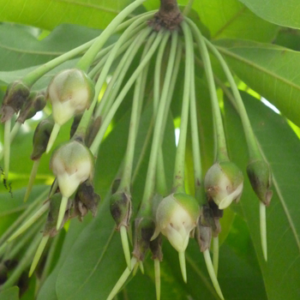
Flower : Male flowers with pedicels 1.5-2.3 mm long. Female-flowers with pedicels 1.5-2.3 mm long. Female flowers sessile. Lamina with cystoliths abundant on the upper side
Fruit : Figs sessile, axillary, paired, ripening orange to red; body 14-17 mm wide (15-20 x 21-25 mm)
Edible parts : None
Ayurvedic usage : Diabetes mellitus, Pains, Bruises, Rheumatism, Lumbago, Foot cracks, Gonorrhoea, Hemoptysis, Persistent vomiting, Dysentery


Reviews
There are no reviews yet.